

What good is AI if people don’t trust it, or if we strip away the familiar interfaces and user experiences we’ve developed over the years. Without that, AI will struggle to be adopted—just like the internet did before usability standards were introduced in the early 2000s. It feels like AI is being pushed on us before it has been tested for usability issues.
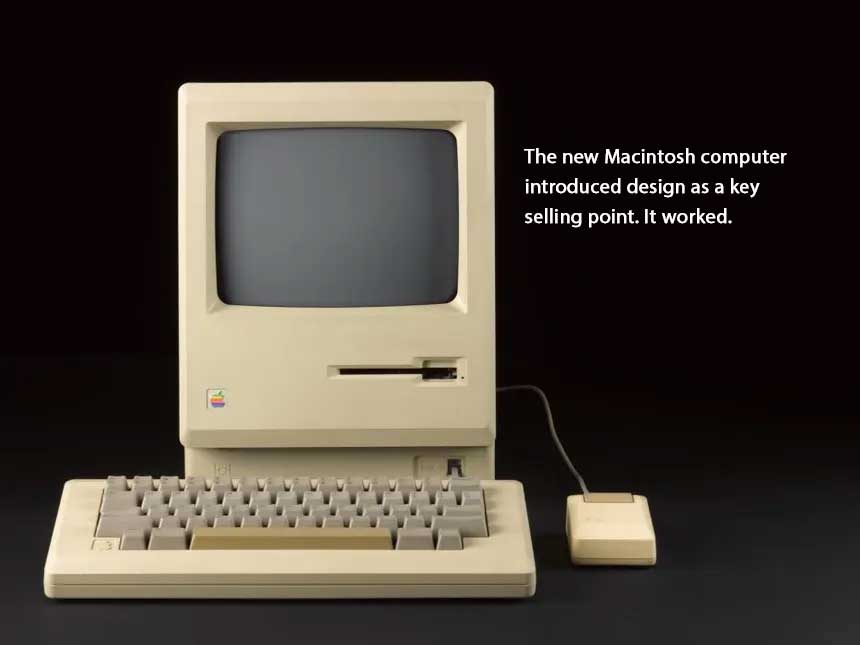
That’s exactly why the internet struggled at first. Over 30% of people couldn’t use it, and even more doubted its ability to deliver on its promises. Early GUI designers came from print backgrounds and applied basic principles, which made things less ugly. Interestingly, people trusted websites that looked good—even if they offered the same features as less attractive ones.
Then the tech crash happened, and suddenly no one was willing to lose a single user dollar. Every startup and MVP since has been an expensive lesson in this reality. Now, the same patterns are repeating with AI.
Will we ever learn that this journey isn’t about flashy new tech, but about building trust wiht flashy new tech? I need to trust that the AI will do what it promises, or deliver the service I pay for, without frustration or resistance. Innovation can’t happen without understanding how to earn that trust, and that is best done with good UX heuristics use.
Technology’s true promise is to teach and bring as many people along as possible, unlocking prosperity. Tools are only as good as their utility—speed, accuracy, and flexibility. Otherwise, no matter how cool a tool is, it won’t last. People will abandon it for something that actually works.