
Product-market fit (PMF) for AI products means aligning a solution closely with distinct market needs, delivering clear value that naturally drives ongoing demand. Achieving this can be seen as an art of craftsmanship—a thoughtful design that conveys quality and earns trust. Humans can be unpredictable with technology; many expect some sort of magic from AI if only they could trust it.
Building this trust means creating a mental model—a tangible feeling in users that AI will reliably provide the expected service—a feeling research can measure simply by asking users. Design is key here: elegant and well-considered interfaces inspire greater trust than those with the same functions but poor aesthetic or experience. I’m not talking about an abstract concept of “trust”. Instead, I mean a mental model, a tangible feeling that can be measured.
AI can set UI free from the grid. No more forced order and square structure. We can use space in new ways when not bound to click and response grid layouts. I’m designing more modular components to display and communicate information better, with animation as feedback, using the entire interface to convey a status for an example. Also, better feedback, less interaction stress as AI-driven UI makes complex relationships clear to users – so they can take action quickly with confidence. In other words, I want the entire interface to be AI driven, not a column down the center, or far right corner.
Agentic UX Design
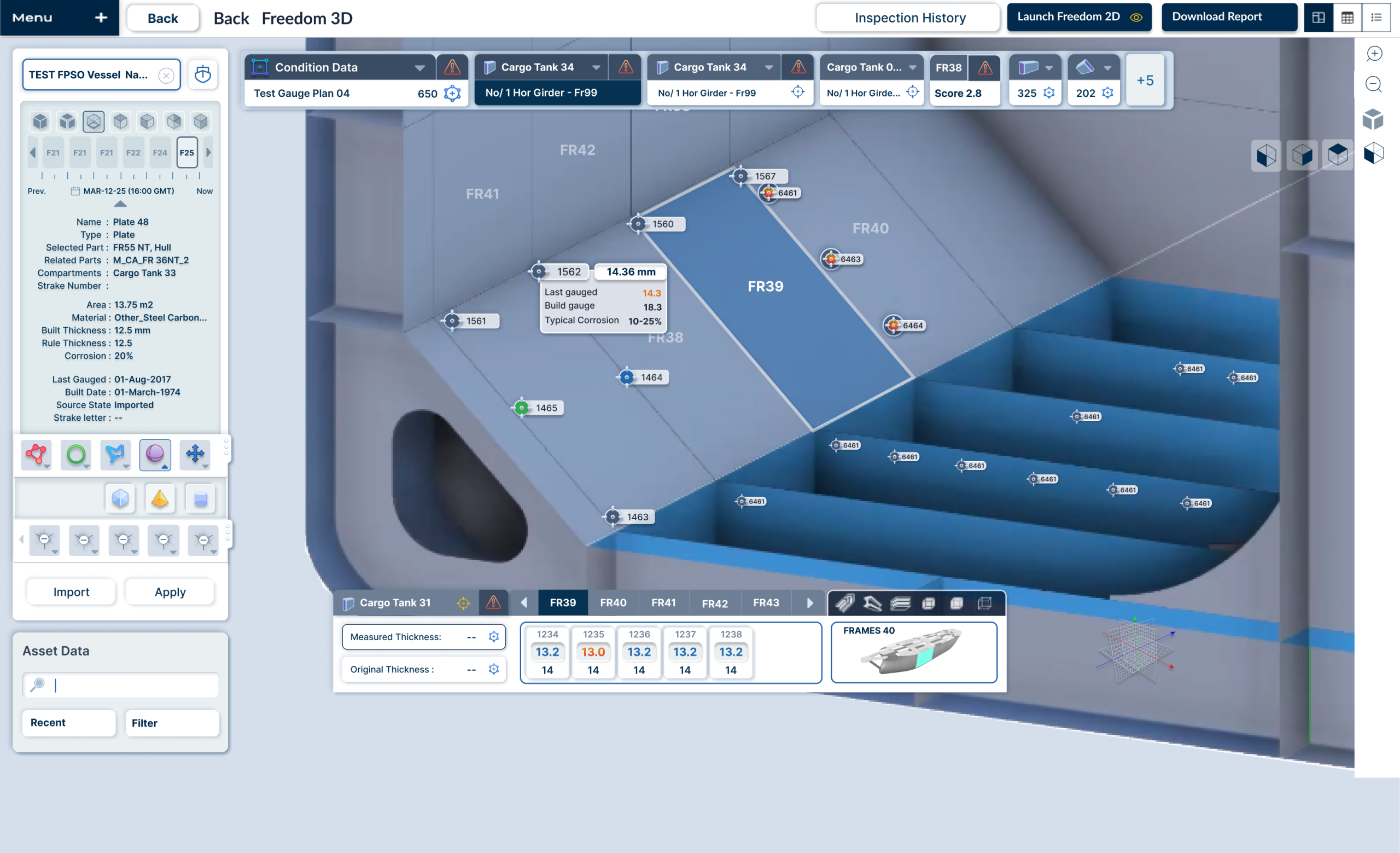
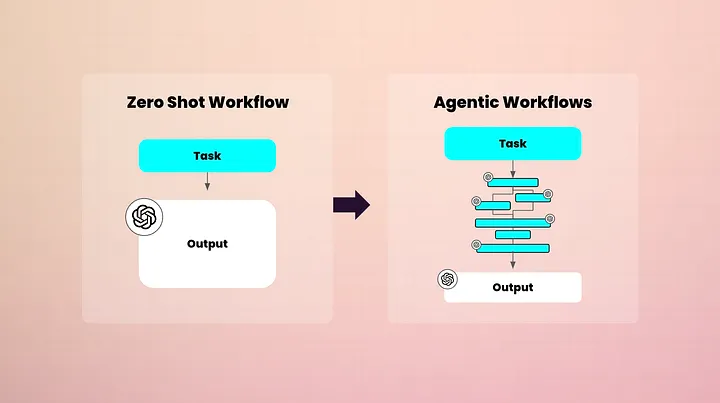
For the vessel integrity management system at ABS, the legacy UI was not capable of showing the vessels condition over time. None of the surrounding UI was there – only the vessel model. I created a non-resistant interface (intuitive) surrounding the 3D model. The user just does the work to markup the repair and exports it for another company to then cut the metal. I removed all of the popups and right clicks (resistance) and then reorganized features that had been developed for the purposes of demos. All of the clicking and popups were fast workarounds to meet deadlines. After all of that remediation, I was able to start designing some UX for AI agents to do the real work.
Defining Your Product Market Fit (PMF) with the MVP
I reinforced the overall value proposition with research from several experts in integrity management. Weeks of collaboration finally revealed the real path of the user. As a result, the app prioritizes areas to work on – after data import – using AI to do the heavy lifting of connecting abstract ideas based on corrosion criticality.
This is the way shipowners work – without the help of AI or often a digital IMS at all. Really, PDFs are as digital as it gets – even today. Even this apps’ final output is a PDF markup to be emailed to a repair company. So lots of hurdles remain, and lots of opportunity for a software company.
They must evaluate the outputs from AI for accuracy, a much less taxing task as trust is built. The interface I designed with the help of SMEs, developers and product, is able to bring this information into better focus for better choices to keep the ship afloat. This PMF has direct measurable benefits of AI-driven outputs.
Early ideation for Vessel Integrity Management System.