Backend-as-a-service (BaaS) solutions that provide databases, authentication, APIs, and real-time features

Backend-as-a-service (BaaS) solutions that provide databases, authentication, APIs, and real-time features

OpenAI: Here’s a ranking of Supabase and its main alternatives based on factors like ease of use, features, scalability, community support, and flexibility. Keep in mind that the best choice depends on your specific project needs, but this should give you a general idea: https://raibach.net/backend-as-a-ser…al-time-features/1. Supabase Pros: Open-source, PostgreSQL-based, real-time capabilities, built-in authentication, storage, and auto-generated REST and GraphQL APIs.…
Designing Your AI Product Market Fit (PMF)

Designing Your AI Product Market Fit (PMF)

Product-market fit (PMF) for AI products means aligning a solution closely with distinct market needs, delivering clear value that naturally drives ongoing demand. Achieving this can be seen as an art of craftsmanship—a thoughtful design that conveys quality and earns trust. Humans can be unpredictable with technology; many expect some sort of magic from AI if only they…
These are my go-to approaches for quality work

These are my go-to approaches for quality work

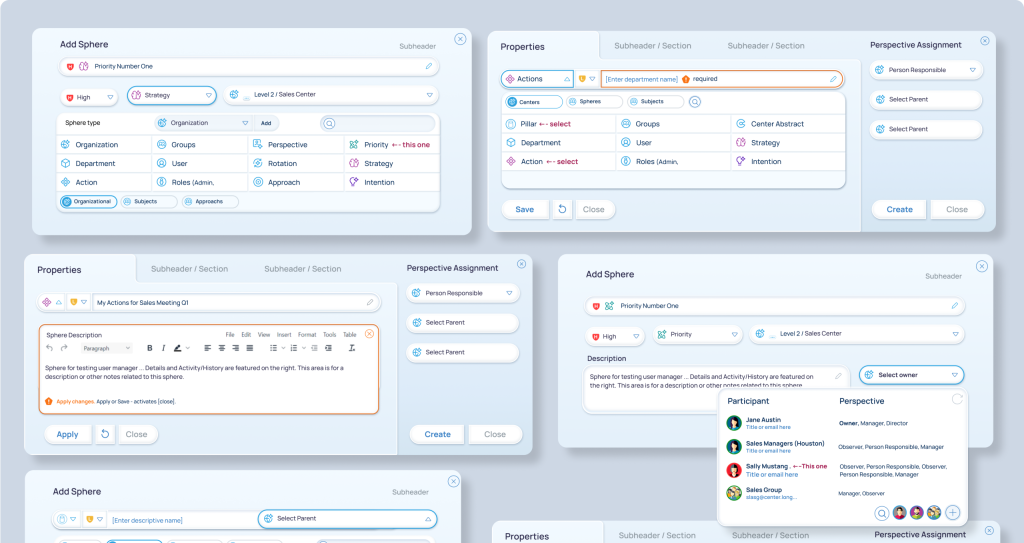
Most all of my projects follow basic design guidelines from WCAG, which covers a lot of issues for all users. Clear text, correct contrast, etc. is key; the interface should not compete with the task flow or the feedback from the system. You will notice in my portfolio that containers/components are modular/expandable/scalable, they are meant to be grouped,…
Agentic AI – Regulation and Governance

Agentic AI – Regulation and Governance

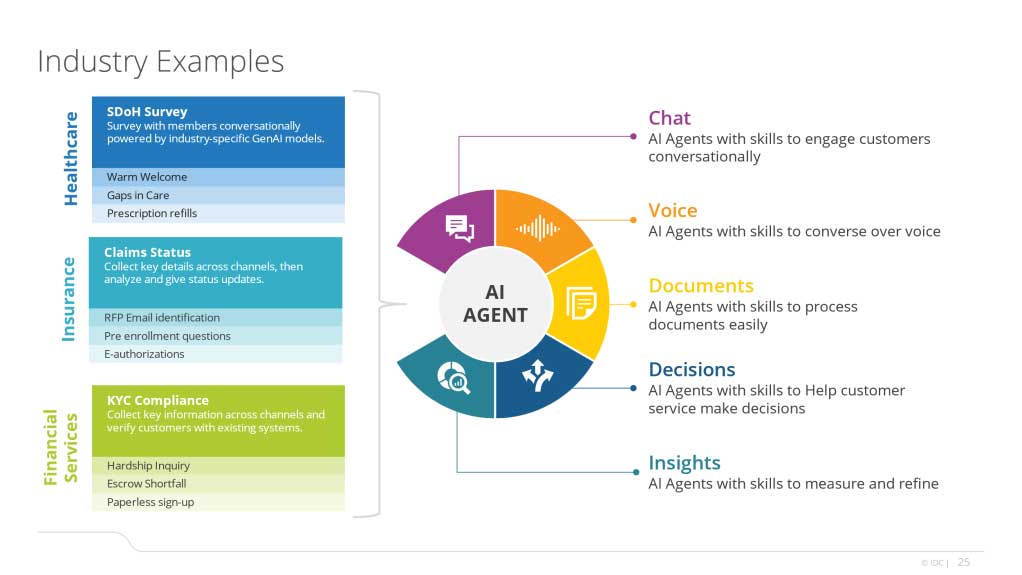
Regulations and governance for AI agents are evolving rapidly, focusing on risk-based frameworks and the need for robust oversight. The European Union's AI Act represents a comprehensive regulatory approach, classifying AI systems by risk level—unacceptable, high, limited, or minimal risk—and imposing corresponding requirements, particularly for high-risk systems used in sensitive sectors. This legislation includes specific provisions for general-purpose AI…
UX Design for Agents 

UX Design for Agents 

Microsoft principles and guidelines for building agentic experiences By Microsoft Design - April 2025 Mark Weiser, the visionary behind ubiquitous computing, once said, “The most profound technologies are those that disappear. They weave themselves into the fabric of everyday life until they are indistinguishable from it.” In other words, good design is invisible, allowing us to accomplish tasks…
Characteristics of Agentic UX

Characteristics of Agentic UX

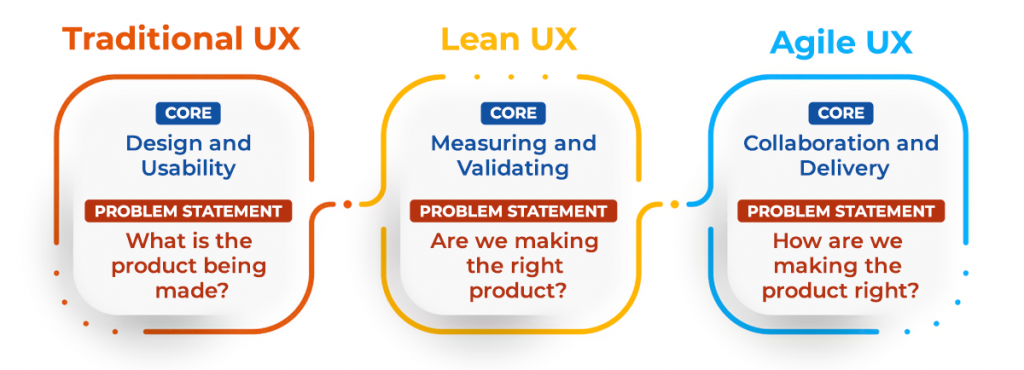
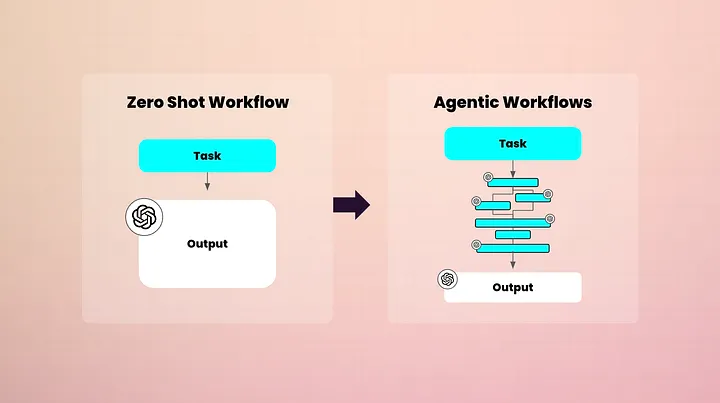
Agentic UX refers to a design paradigm that emphasizes the development of AI systems capable of acting autonomously, making decisions, and adapting to user needs. It shifts the focus from traditional, predefined user journeys to more flexible, personalized, and dynamic interactions. This approach allows users to articulate their goals, while AI systems handle the pathways to achieve them, resulting…
The Agentic Era of UX

The Agentic Era of UX

The future of digital experience is here — but it’s being minced into microscopic use cases. Alex Klein May 6, 2024 TLDR: The thing missing from AI user experience is, well, the experience. It’s been 17 months since the tech gods bestowed generative artificial intelligence on us. Here’s a state of the union for AI UX: A bunch…
Building User Trust with Good UX/UI Design

Building User Trust with Good UX/UI Design

What good is AI if people don’t trust it, or if we strip away the familiar interfaces and user experiences we’ve developed over the years. Without that, AI will struggle to be adopted—just like the internet did before usability standards were introduced in the early 2000s. It feels like AI is being pushed on us before it has…
Stakeholder Ecosystem 
Mapping – Relationship Design Toolkit

Stakeholder Ecosystem 
Mapping – Relationship Design Toolkit

Download Workshop Stakeholder Alignment Tactics: Once you’ve mapped your stakeholders and assessed their orientation to your project/initiative use these typical objections and suggested tactics to address them in order to brainstorm with your team about aligning stakeholders. Decision Makers Who are the sponsors of the project/initiative? Who makes the go/no-go decision? Influencers Whose indirect support would be helpful?…