By John Holt, Principle Product Designer | UX for AI Systems Design
Most technology companies can’t build AI products. Not because they lack technical talent or tools, but because they systematically destroyed the collaborative capabilities AI development requires. The design-to-code automation tools emerging today – Figma to Builder.io, Cursor with ChatGPT, generative React components – aren’t empowering designers. They’re exposing a fundamental organizational dysfunction.
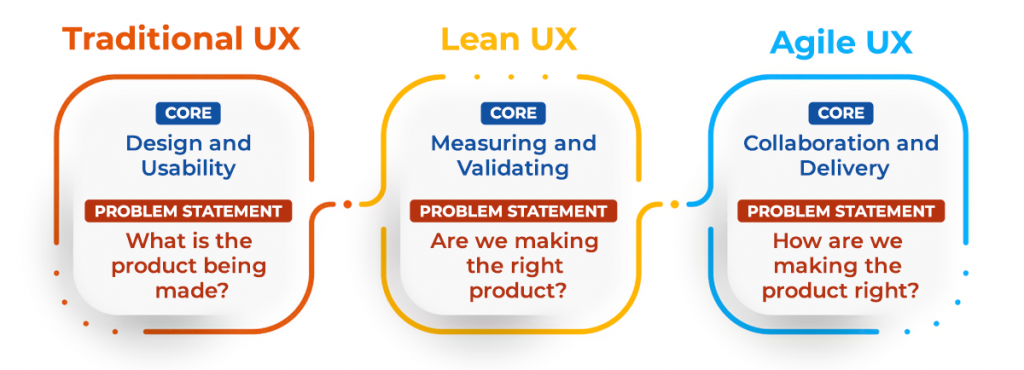
From 2010-2015, companies adopted Agile methodologies while simultaneously offshoring development to reduce costs. Leadership believed they could have both: Agile’s speed and offshore’s savings. What they actually created was Agile theater – standups, sprints, and Scrum Masters wrapped around waterfall processes and hierarchical decision-making. Design was separated from development, requirements were documented and handed offshore, and cross-functional collaboration became coordinated handoffs across time zones and language barriers.
This model worked well enough for traditional software development where requirements could be specified upfront and implementations could be validated at the end. But AI products fundamentally cannot be built this way. You cannot spec AI behavior in advance. You must experiment constantly, validate with real users immediately, and pivot based on what the models actually do versus what you expect. This requires the true cross-functional collaboration – designers, developers, and product owners working together in real-time – that most organizations eliminated a decade ago for cost efficiency.
The crisis manifesting now isn’t about missing tools or capabilities. It’s about missing organizational structures. Companies that maintained hierarchical approval processes, separated design from development, and distributed teams across continents optimized for a type of work that no longer exists. AI demands empirical iteration, psychological safety to fail fast, and distributed decision-making at the team level. These are the exact capabilities leadership traded away for offshore cost savings and maintained hierarchy.
Design-to-code automation tools reveal this gap starkly. When a designer can generate production code directly, it eliminates the communication latency that offshore development required. When AI can translate user needs into functional interfaces instantly, it exposes how much of the traditional process was coordination overhead rather than value creation. These tools work – but only when designers and developers collaborate throughout development, not when design works in isolation then hands specifications over a wall to offshore teams operating in different time zones with limited English proficiency and barriers to challenging authority.
Organizations now face a choice: rebuild collaborative capability or fail to compete in AI product development. This means bringing development work back onshore or establishing truly collaborative distributed models, flattening hierarchies to enable team-level decision-making, creating psychological safety for rapid experimentation, and integrating design directly into development teams rather than treating it as upstream specification work. The Agile principles companies claimed to follow for a decade must now actually be implemented, because AI products won’t tolerate the performance.
The companies succeeding with AI products share common characteristics: small co-located teams with true cross-functional collaboration, flat organizational structures enabling rapid decision-making, and cultures that treat failure as learning rather than blame. These aren’t coincidentally Agile organizations – they’re what Agile was supposed to create before cost-cutting and hierarchy corrupted it into theater.
Leadership that destroyed collaborative Agile through offshoring and hierarchy is now discovering they can’t build competitive AI products. Boards will increasingly recognize this capability gap and seek transformational leaders who understand how to rebuild the organizational structures required for AI-era product development. The question isn’t whether this transformation will happen, but which organizations will adapt quickly enough to survive.